dermatology
Changing Mole or Skin Spot? When Should You See a Dermatologist?
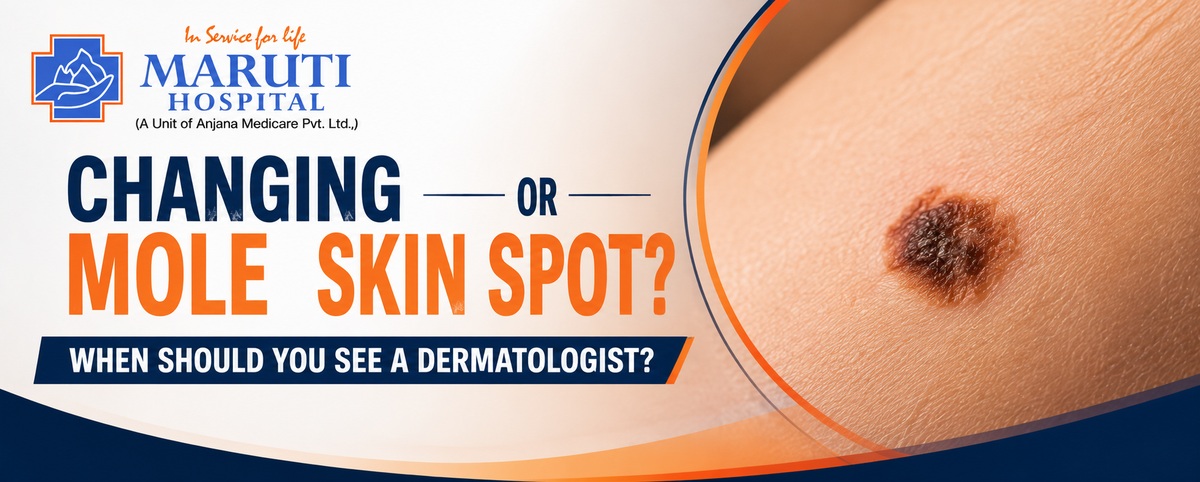
Most people have moles, freckles or small skin spots that remain unchanged for years. Usually, these marks are harmless. But if a mole starts growing, changes colour or develops an unusual border, it is worth having it examined.
Changes do not automatically mean skin cancer. However, noticing them early gives a dermatologist an opportunity to assess the spot and decide whether any further investigation is needed.
1. What Changes Should You Look For?
A mole that looks different from your other moles, or one that has changed over time, deserves attention. Look for changes such as:
-
A mole becoming larger or changing shape.
-
Uneven or blurred edges.
-
Several colours appearing within the same spot.
-
A new raised area or change in texture.
-
Persistent itching, bleeding or crusting without an obvious injury.
-
A sore or skin mark that does not heal.
Some harmless moles can have irregular features, so these signs are not enough to diagnose a problem at home. What matters is the overall appearance of the spot and whether it is changing.
2. Understanding the ABCDE Rule
Dermatologists often use the ABCDE rule to help identify moles that may need closer examination.
A - Asymmetry
One half of the mole looks different from the other half.
B - Border
The edges appear uneven, notched, ragged or poorly defined.
C - Colour
The spot contains different shades, such as brown, black, red, white or blue, rather than having a relatively uniform colour.
D - Diameter
The mole is larger than about 6 millimetres, roughly the size of a pencil eraser. However, a concerning lesion can be smaller.
E - Evolving
The mole changes in size, shape, colour or elevation, or develops new symptoms such as itching or bleeding.
A mole does not need to meet every ABCDE feature to warrant attention. A new or changing spot should be assessed if it looks unusual, even if it is small.
3. Other Warning Signs You Should Not Ignore
Some skin changes need evaluation even when they do not resemble a typical mole.
Pay attention to:
-
A new spot that looks noticeably different from your other moles.
-
A sore that repeatedly heals and reopens.
-
Unexplained bleeding, oozing or crusting.
-
A spot that grows or changes noticeably over a short period.
-
Persistent tenderness or itching in one particular area.
-
A new or changing mark under a nail or on the palms or soles.
These signs can have several causes, including non-cancerous skin conditions. A medical examination is the appropriate way to determine what is happening.
4. Who Should Be More Careful About Changing Moles?
Anyone can develop a concerning skin lesion, regardless of skin tone or age. Some people may need closer attention because of their medical history or other risk factors.
These include people who:
-
Have many moles or several unusual-looking moles.
-
Have a family history of melanoma or other skin cancers.
-
Have previously been diagnosed with skin cancer.
-
Have experienced substantial ultraviolet exposure or repeated sunburns.
-
Notice a new spot that differs significantly from their other skin marks.
People with darker skin can also develop skin cancer. A changing lesion should not be ignored simply because it does not look like the examples commonly shown in skin cancer awareness materials.
5. What Happens During a Dermatology Consultation?
A dermatologist will ask when you first noticed the spot and whether it has changed. If you have older photographs, they may help show how the lesion has developed over time.
The assessment may include:
-
Visual examination: Checking the lesion's size, colour, shape and surface.
-
Dermatoscopy: Using a specialised magnifying device to examine structures within the skin that are not easily visible to the naked eye.
-
Biopsy, when indicated: Removing a small sample of skin or the entire lesion for laboratory examination.
A biopsy is not necessary for every mole. The dermatologist will recommend one if the examination raises enough concern to justify further testing.
If you are looking for a skin specialist in Trichy, a consultation can help you understand whether a changing mole needs monitoring, further investigation or treatment.
6. When Should You Get a Mole Checked?
Do not wait for a mole to become painful before seeking advice. Some concerning skin lesions cause no pain, particularly in their early stages.
Arrange a dermatology appointment promptly if you notice a new or changing mole, an unusual border, uneven colour or a spot that repeatedly bleeds or fails to heal. Seek more urgent assessment if the lesion is growing rapidly, bleeding without an obvious cause or changing significantly over a short period.
Avoid cutting, burning or attempting to remove a suspicious mole at home. Doing so can injure the skin and delay an accurate diagnosis.
Not every unusual spot is cancerous, but a professional examination is safer than relying on appearance alone.
Do Not Ignore a Changing Skin Spot
Most moles are harmless, but a change in a familiar skin spot is worth taking seriously. Knowing the warning signs and getting an appropriate examination can help identify problems that need treatment.
If you have noticed a changing mole, unusual skin spot or a sore that is not healing, contact Maruti Hospital, Trichy, to enquire about a dermatology consultation.