
dermatology
Sudden Hair Fall After Fever, Stress or Delivery - What It Means
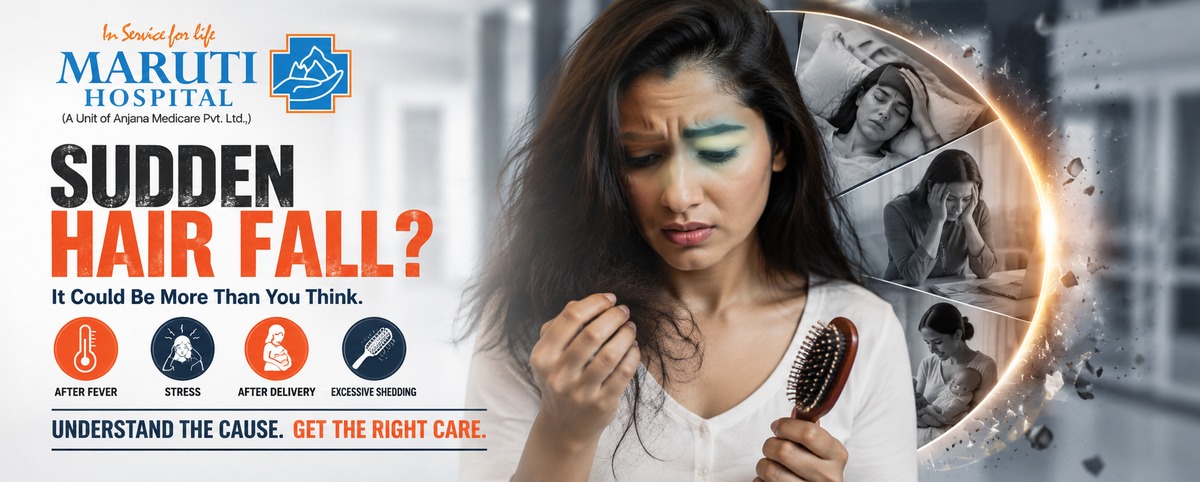
Noticing large amounts of hair on your pillow, comb or bathroom floor can be worrying, especially when your hair seemed healthy just a few weeks ago. If the shedding started a couple of months after a fever, surgery, childbirth or stressful period, one possible explanation is a condition called telogen effluvium.
Telogen effluvium is a type of temporary hair shedding that occurs when more hair follicles than usual enter the resting phase of the hair growth cycle. It often improves once the triggering factor has passed or been treated. However, other conditions can cause similar symptoms, so persistent or severe hair fall should be assessed by a dermatologist.
1. What Is Telogen Effluvium?
Hair grows in a cycle. Most strands are in the growth phase, while others rest before naturally falling out. After a major physical or emotional stressor, an unusually large number of follicles may enter the resting phase at the same time.
The affected hairs do not usually fall out immediately. Shedding often becomes noticeable around two to three months after the trigger. This delay can make it difficult to connect the hair fall with an earlier illness or life event.
Telogen effluvium generally causes diffuse shedding across the scalp rather than clearly defined bald patches. Although the amount of hair lost can feel alarming, the condition is often temporary.
2. What Can Trigger Sudden Hair Fall?
Several changes in health or daily life can disrupt the hair growth cycle. Common triggers include:
-
High fever or serious illness: Hair shedding may begin several weeks after recovery from an infection or prolonged illness.
-
Childbirth: Hormonal changes after delivery can lead to noticeable postpartum hair shedding.
-
Surgery or hospitalisation: Physical stress during recovery may affect the hair growth cycle.
-
Emotional stress: A major stressful event can contribute to increased shedding.
-
Rapid weight loss: Crash diets and restrictive eating may leave the body without adequate nutrients.
-
Iron deficiency or anaemia: Low iron levels can contribute to hair loss in some people.
-
Thyroid problems: Both an underactive and overactive thyroid can affect hair growth.
-
Medication changes: Certain medicines may contribute to shedding, depending on the circumstances.
Not everyone who experiences these triggers develops telogen effluvium. A dermatologist can help determine whether a particular event is likely to be responsible.
3. How Is It Different From Hereditary Hair Loss?
Telogen effluvium and androgenetic alopecia, also known as pattern hair loss, can sometimes occur together. However, their usual patterns differ.
These differences can help guide an examination, but they do not confirm the diagnosis on their own. A person may have more than one cause of hair loss, which is why the pattern and medical history both matter.
4. What Happens During a Dermatology Consultation?
A dermatologist will ask when the hair fall started and whether you recently had a fever, surgery, childbirth, major stress, weight loss or a change in medication.
The scalp will be examined to look for diffuse shedding, patchy hair loss, inflammation or other signs that may point to a different condition.
Depending on the findings, the doctor may recommend blood tests such as:
-
Iron studies or ferritin: When iron deficiency is suspected.
-
Thyroid function tests: If thyroid problems are possible.
-
Other blood tests: Such as vitamin levels or a blood count, when your symptoms and history suggest they may be useful.
Not everyone needs every test. Investigations should be selected according to the likely cause rather than taken routinely without a clear reason.
If you are looking for a skin specialist in Trichy, a consultation can help establish whether the shedding is consistent with telogen effluvium or whether another scalp or health condition needs treatment.
5. What Helps Hair Recover?
For many people with telogen effluvium, the main step is to identify and address the trigger. Hair regrowth takes time, so improvements may not be visible immediately.
Correct any underlying health problem
If tests identify iron deficiency, a thyroid disorder or another treatable condition, your doctor can recommend the appropriate treatment. Do not start high-dose supplements without medical advice.
Eat a balanced diet
Include adequate protein and a variety of nutrient-rich foods. Avoid crash dieting or severe food restrictions, especially when you are already experiencing heavy shedding.
Be gentle with your hair
Use a gentle shampoo, avoid excessive heat styling and reduce harsh chemical treatments while your scalp and hair recover. Tight hairstyles that pull on the roots are best avoided.
Allow time for recovery
Once the underlying trigger has resolved, shedding often gradually decreases. New hair growth may become noticeable before the overall thickness returns. Recovery of visible density can take several months.
Telogen effluvium often improves within six to twelve months, although the timeline varies. Hair shedding that continues beyond six months, repeatedly returns or worsens should be reassessed.
Hair-growth medicines are not automatically necessary for telogen effluvium. Treatment depends on the diagnosis and whether another condition, such as pattern hair loss, is also present.
6. When Should You See a Dermatologist?
Consider an appointment if you notice persistent heavy shedding, visible thinning or no improvement over time. A consultation is also advisable if hair loss occurs alongside scalp redness, pain, scaling or itching.
Seek earlier assessment if you develop distinct bald patches, rapid loss of hair in specific areas or signs of scarring on the scalp. These symptoms may indicate a condition that needs a different treatment approach.
At Maruti Hospital, Trichy, a dermatology consultation can help you understand the possible cause of your hair fall and whether further evaluation or treatment is needed.
Get the Right Advice for Sudden Hair Fall
Sudden hair shedding can be distressing, but it does not always mean permanent hair loss. Understanding when it began, identifying possible triggers and checking for underlying health problems can help you take the right next step.
If you are experiencing persistent hair fall after fever, stress or childbirth, consult a dermatologist at Maruti Hospital, Trichy, for an assessment and personalised advice.