dermatology
Dandruff or Scalp Disease? How to Identify the Difference
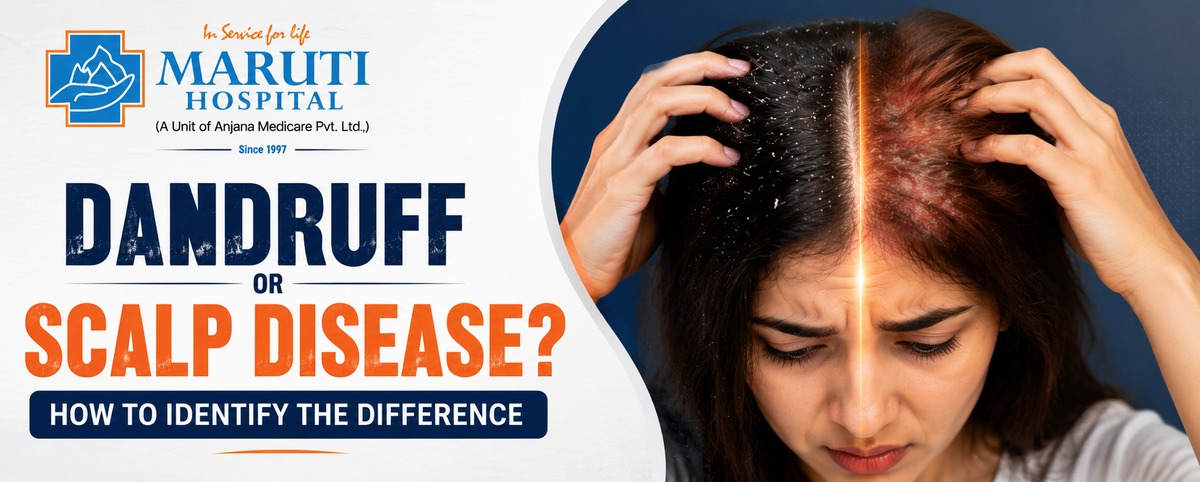
White flakes on your shoulders, an itchy scalp or patches of redness can be frustrating. Dandruff is a common cause, but not every scalp problem is dandruff. Sometimes, similar symptoms are caused by a skin condition that needs a different treatment.
Using an anti-dandruff shampoo may help with mild flaking. However, if the itching continues, thick scales develop or hair starts falling out in patches, it is worth getting your scalp examined by a dermatologist.
1. What Does Ordinary Dandruff Look Like?
Dandruff usually causes small white or yellowish flakes on the scalp and hair. Some people also experience itching, particularly when their scalp is irritated.
Common signs include:
-
Fine flakes that become noticeable on clothing or while combing.
-
Mild to moderate itching.
-
Flaking that comes and goes.
-
Symptoms that may worsen during stressful periods or certain weather conditions.
-
Improvement with a suitable anti-dandruff shampoo.
Dandruff is often manageable with regular use of an appropriate shampoo. Ingredients such as ketoconazole, selenium sulfide or other anti-dandruff agents may help, depending on the product and the cause of the flaking. Follow the product instructions, since some shampoos need to remain on the scalp for a specified time.
If the symptoms do not improve after a few weeks of consistent use, consider whether another condition may be responsible.
2. Scalp Conditions That Can Look Like Dandruff
Several skin conditions can cause scaling and itching. Their symptoms sometimes overlap, so appearance alone may not be enough to identify the cause.
Seborrhoeic dermatitis
This condition is closely related to dandruff but usually involves more inflammation. It may cause greasy, yellowish scales and redness. The eyebrows, sides of the nose and area behind the ears can also be affected.
Persistent cases may require medicated treatments recommended by a doctor.
Scalp psoriasis
Psoriasis can cause thick, well-defined patches covered with silvery or whitish scales. The skin underneath may look red, and the patches can extend beyond the hairline or appear behind the ears.
Some people also have psoriasis on other parts of the body or changes in their nails. Scalp psoriasis requires a different treatment approach from ordinary dandruff.
Fungal scalp infection
A fungal infection, also called tinea capitis, is more common in children but can affect adults too. It may cause scaly patches, broken hairs, areas of hair loss and sometimes tender or inflamed areas.
A fungal scalp infection often requires prescription oral antifungal medicine. Shampoo alone is usually not enough to clear it.
Contact dermatitis
Some shampoos, hair dyes, oils and styling products can irritate the scalp or trigger an allergic reaction. Symptoms may include itching, redness, burning and sometimes weeping skin.
If symptoms begin after using a new product, stop using it and seek medical advice if the irritation persists or is severe.
3. How Can You Compare the Symptoms?
| Symptom | Ordinary dandruff | Scalp psoriasis | Fungal infection |
|---|---|---|---|
| Flakes or scales | Usually fine, white or yellowish | Often thick and well-defined | Scaling may occur in patches |
| Redness | Usually mild or absent | Often noticeable | May be present |
| Hair loss | Not typical | Possible in affected areas | Patchy hair loss or broken hairs may occur |
| Other affected areas | Sometimes eyebrows or ears | May affect elbows, knees or nails | May spread through close contact or shared items |
| Usual treatment | Medicated shampoo | Condition-specific topical treatment | Often prescription oral antifungal medicine |
These are general patterns, not a way to confirm a diagnosis at home. Other conditions can produce similar symptoms, and more than one condition can occur at the same time.
4. When Should You See a Skin Specialist?
Consider consulting a dermatologist if:
-
Your scalp does not improve after a few weeks of appropriate anti-dandruff treatment.
-
You develop thick, crusted or silvery scales.
-
The scalp becomes very red, painful or swollen.
-
You notice patchy hair loss or broken hairs.
-
Flaking spreads to the face, ears or neck.
-
There are pus-filled bumps, sores or fluid discharge.
-
Symptoms repeatedly return despite treatment.
Seek prompt medical attention for painful, swollen areas or rapidly worsening inflammation, particularly if you also have fever.
A skin specialist in Trichy can examine your scalp and help determine whether the problem is dandruff, psoriasis, a fungal infection or another condition.
5. How Is the Cause Diagnosed?
A dermatologist will ask about how long the symptoms have been present, which products you use and what treatments you have already tried. A history of similar skin problems or psoriasis in the family may also be relevant.
The examination may include:
-
Scalp and skin examination: Checking the type of scaling, redness, affected areas and hair changes.
-
Dermatoscopy: Using a magnifying device to examine the scalp and hair more closely.
-
Fungal testing: Taking a hair or skin sample when a fungal infection is suspected.
-
Further assessment: Occasionally needed when the diagnosis remains unclear.
Not everyone needs laboratory tests. The doctor will decide whether testing is necessary based on the examination and suspected cause.
6. What Treatment May Be Needed?
The right treatment depends on the diagnosis.
For dandruff: A suitable anti-dandruff shampoo may control flaking and itching. The frequency of use depends on the product and the severity of symptoms.
For seborrhoeic dermatitis: Medicated antifungal shampoos or topical treatments may be recommended. In more inflamed cases, a doctor may prescribe additional treatment.
For scalp psoriasis: Treatment may include prescription lotions, solutions or other medicines designed to reduce inflammation and scaling. Severe or persistent cases may need specialist management.
For fungal scalp infections: Prescription oral antifungal medicines are commonly required. Antifungal shampoo may sometimes be used alongside treatment to help reduce spread, but it is not usually sufficient on its own.
For contact dermatitis: Avoiding the product responsible for the reaction is important. A doctor may recommend treatment to relieve inflammation.
Avoid applying strong steroid creams, combination creams or home remedies to the scalp without medical advice. The wrong product can worsen certain infections or delay proper treatment.
Get the Right Treatment for Your Scalp
Dandruff is common, but persistent flaking or itching may have another cause. Repeatedly changing shampoos without knowing the problem can delay the right treatment.
If your scalp symptoms are not improving or you have noticed unusual scaling or hair loss, consult the dermatology department at Maruti Hospital, Trichy, for an assessment and appropriate care.