Nephrology
Swollen Feet- Could Your Kidneys Be the Reason?

Swollen feet and ankles are a common concern. You may notice that your shoes feel tight by evening or that your ankles look puffier than usual after a long day. Sometimes, the swelling improves with rest. However, if it keeps returning, lasts for several days or gets worse, it is worth getting checked.
Kidney problems are one possible cause of swollen feet, but they are not the only one. Heart conditions, liver disease, vein problems and certain medications can also lead to fluid build-up. Understanding the other symptoms can help your doctor identify the cause.
1. How Are Kidney Problems Linked to Swollen Feet?
The kidneys remove excess fluid and waste from the body. When kidney function is affected, the body may retain salt and water, causing swelling around the feet and ankles.
Some kidney conditions also cause protein to leak into the urine. When too much protein is lost, fluid can collect in the surrounding tissues.
Other symptoms that may occur with kidney-related swelling include:
-
Puffiness around the eyes, especially in the morning.
-
Persistent foamy urine.
-
Changes in the amount or frequency of urination.
-
Unexplained weight gain due to fluid retention.
-
Tiredness or weakness.
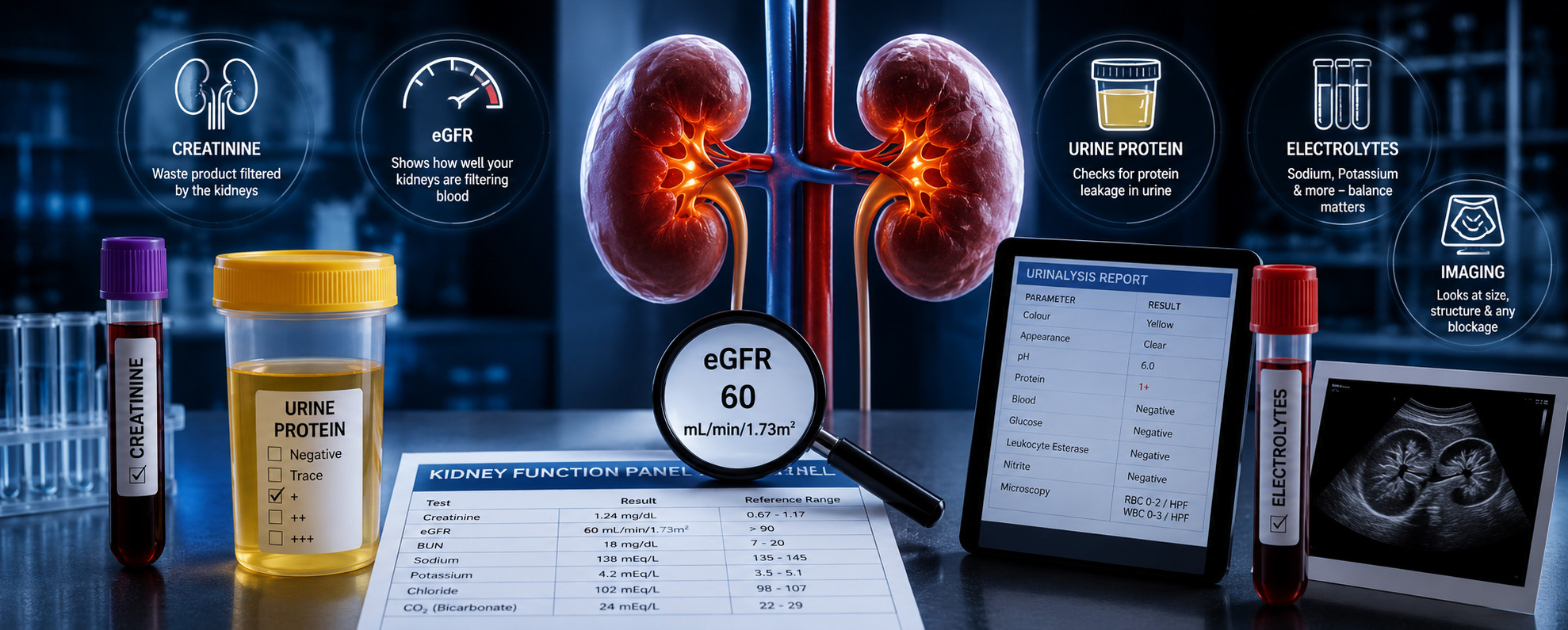
These symptoms do not necessarily mean that you have kidney disease. A doctor may recommend blood and urine tests to check kidney function and identify the cause.
2. Can Heart Problems Cause Swollen Feet?
When the heart cannot pump blood effectively, fluid may collect in the legs and feet. The swelling often affects both legs and may become more noticeable towards the end of the day.
Some people also experience breathlessness while walking, difficulty breathing when lying flat or unusual tiredness.
Swollen feet accompanied by new or worsening breathlessness need urgent medical assessment. Seek emergency care if you experience severe breathing difficulty or chest pain.
3. Can Liver Disease Cause Swelling?
The liver produces albumin, a protein that helps keep fluid inside blood vessels. Certain advanced liver conditions can reduce albumin production and contribute to fluid build-up in the body.
In these cases, swelling in the legs may occur along with abdominal swelling. Other symptoms can include yellowing of the eyes or skin, poor appetite and weakness.
Swollen feet alone cannot confirm liver disease. A medical examination and appropriate tests are needed to determine the cause.
4. Could Vein Problems Be Responsible?
The veins in your legs carry blood back towards the heart. When the valves inside these veins do not work properly, blood can collect in the lower legs and cause swelling. This is known as chronic venous insufficiency.
Common signs include:
-
Swelling that becomes worse after standing or sitting for long periods.
-
Visible or enlarged veins.
-
Aching or heaviness in the legs.
-
Skin discolouration around the ankles in some cases.
The swelling may improve when you rest and elevate your legs. However, persistent symptoms should be assessed by a doctor.
Sudden swelling in one leg, particularly with pain, warmth or redness, needs urgent medical evaluation to rule out a blood clot.
5. Can Medicines Cause Swollen Feet?
Certain medicines can cause swelling around the feet and ankles. These include some blood pressure medicines, such as calcium channel blockers, and some anti-inflammatory medicines.
If you noticed swelling after starting a new medicine or changing your dose, inform your doctor. Do not stop taking prescribed medication without medical advice.
6. How Can You Identify the Possible Cause?
The location of the swelling and the symptoms that occur with it can provide useful clues. However, these patterns cannot confirm a diagnosis on their own.
Several conditions can cause similar symptoms. Your doctor will consider your medical history, examine you and recommend tests if needed.
When Should You See a Doctor?
Consult a doctor if the swelling persists, keeps returning, becomes worse or occurs alongside changes in urination or unexplained weight gain.
Seek urgent medical care if you notice:
-
Sudden swelling in one leg, especially with pain, warmth or redness.
-
New or worsening shortness of breath.
-
Chest pain.
-
Rapidly increasing swelling over a short period.
Chest pain or severe breathing difficulty may indicate a medical emergency. Do not delay seeking care.
When to Consult a Nephrologist in Trichy
If you have persistent swelling in your feet or ankles, especially alongside foamy urine, changes in urination or unexplained weight gain, consult a doctor. A nephrologist in Trichy can assess whether a kidney problem may be contributing to the swelling and recommend further investigations.
If the cause appears unrelated to the kidneys, your doctor may refer you to another specialist for appropriate care.
At Maruti Hospital, patients can seek medical evaluation for kidney-related concerns and other conditions associated with swelling.