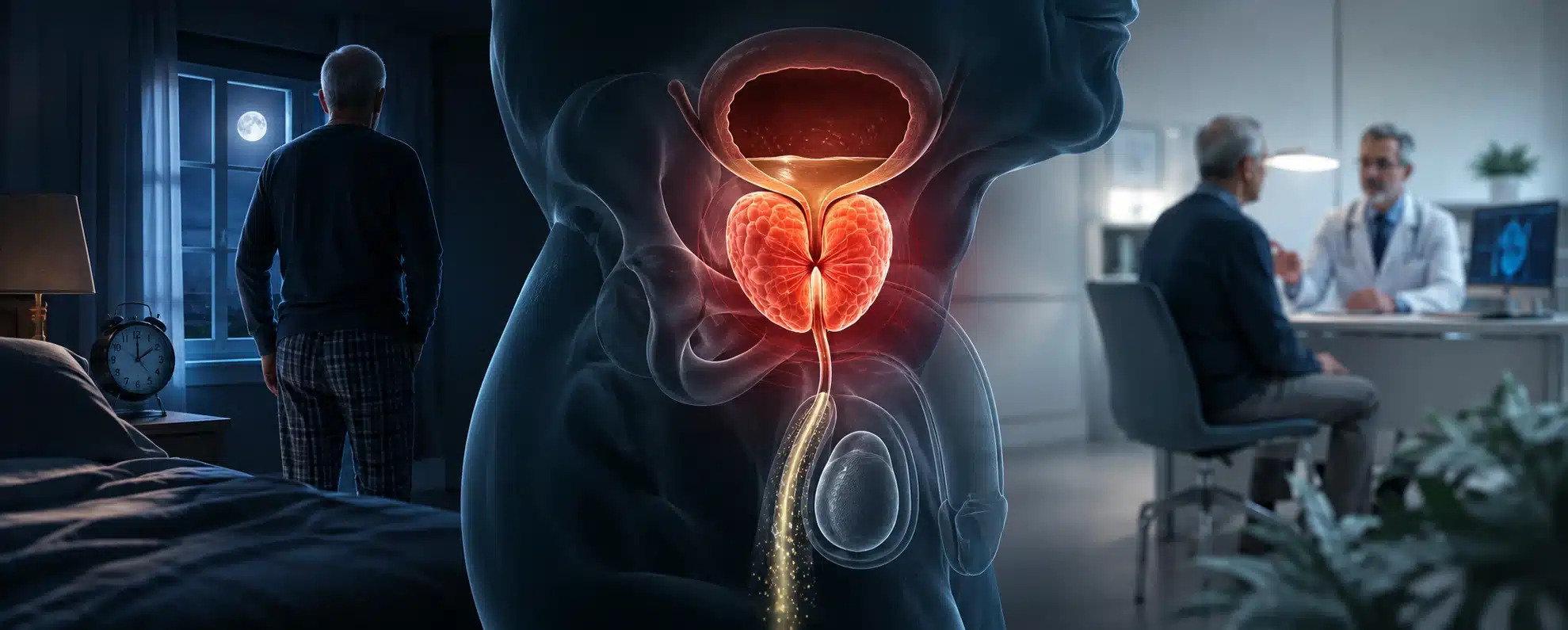
Urology
Burning Urination Keeps Coming Back - Why Recurrent UTIs Need a Closer Look

Burning while passing urine, frequent urination and an urgent need to use the bathroom are common symptoms of a urinary tract infection (UTI). For many people, a single UTI improves with appropriate treatment. However, when these symptoms keep returning, it is important to look beyond treating each episode separately.
Recurrent UTIs may have an underlying cause that needs to be identified and managed. Understanding why infections return can help reduce repeated episodes and avoid unnecessary antibiotic use.
1. When Is a UTI Considered Recurrent?
A UTI is generally considered recurrent when a person has:
- Two or more infections within six months
- Three or more infections within one year
If infections are repeatedly coming back, a doctor may recommend further evaluation rather than simply prescribing another course of antibiotics.
2. Why Do UTIs Keep Coming Back?
Several factors can contribute to recurrent urinary infections. These may include:
- Kidney or bladder stones
- Incomplete emptying of the bladder
- Structural problems in the urinary tract
- Prostate-related problems in men
- Hormonal changes, particularly after menopause
- Certain contraceptive methods
- Previous urinary tract infections
Identifying the possible cause is an important part of preventing future infections.
3. Why Is Urine Testing Important?
Burning urination does not always mean that a person has a UTI. Other urinary conditions can cause similar symptoms.
When infections are recurring, a doctor may recommend a urine test or urine culture to confirm the infection and identify the bacteria responsible.
A urine culture can also help determine which antibiotics are likely to work. This is particularly useful when previous treatment has not completely cleared the infection or symptoms return soon afterwards.
4. Recurrent UTIs in Men Need Attention
UTIs are less common in men than in women. Therefore, when a man develops repeated urinary infections, a doctor may look more closely for an underlying cause.
Possible factors include:
- Enlarged prostate
- Difficulty emptying the bladder
- Urinary stones
- Problems affecting the urinary tract
A urological evaluation can help determine why the infections are occurring repeatedly.
5. What About UTIs During Pregnancy?
Urinary infections can occur during pregnancy and should not be ignored.
A UTI during pregnancy requires appropriate medical evaluation because an untreated infection can lead to complications. Pregnant women with repeated urinary infections should discuss their symptoms with their doctor and follow the recommended treatment and follow-up plan.
6. Why Repeated Antibiotics May Not Be the Answer
Taking antibiotics repeatedly without confirming the cause of recurring symptoms may not solve the underlying problem.
Unnecessary or repeated antibiotic use can also contribute to antibiotic resistance, making some infections more difficult to treat in the future.
For recurrent infections, doctors may first confirm the infection and then determine whether another condition is contributing to the problem.
7. How Are Recurrent UTIs Evaluated?
The evaluation depends on the patient's symptoms and medical history. A urologist may consider:
- Urine routine examination
- Urine culture
- Medical and medication history
- Previous UTI reports
- Assessment of bladder emptying
- Kidney and bladder imaging when appropriate
- Evaluation for stones or prostate-related problems
Not everyone with recurrent UTIs needs every test. The investigation is usually based on the individual patient's symptoms and risk factors.
Simple Steps That May Help
Some everyday measures may help reduce the risk of urinary infections:
- Drink an adequate amount of water unless your doctor has advised fluid restriction.
- Avoid holding urine for long periods.
- Maintain good personal hygiene.
- Follow your doctor's treatment instructions carefully.
- Complete prescribed antibiotics as directed.
- Do not take leftover antibiotics without medical advice.
- Keep track of repeated infections and previous test reports.
These measures do not replace medical evaluation when infections continue to return.
When Should You See a Urologist?
You should consider consulting a urologist if you experience repeated episodes of:
- Burning or pain while urinating
- Frequent urination
- Sudden urinary urgency
- Blood in the urine
- Lower abdominal discomfort
- Repeated infections despite treatment
Fever, chills, pain in the back or side, vomiting, or feeling seriously unwell can indicate a more significant infection and require prompt medical attention.
A urology specialist can assess the pattern of infections, identify possible contributing factors and recommend appropriate treatment.
Conclusion
A UTI that occurs once may be straightforward to treat, but repeated burning urination and infections deserve a closer look. Recurrent UTIs can sometimes be linked to stones, bladder-emptying problems, prostate conditions or other factors.
Rather than repeatedly treating the symptoms without finding the reason, appropriate urine testing and a urological evaluation can help identify the cause and guide long-term management.
If you are experiencing repeated urinary infections, Maruti Hospital's Urology Department can provide evaluation and treatment based on your individual symptoms and medical history.