cardiology
Chest Pain at Night - Heart Attack or Something Else?
Chest Pain at Night: Heart Attack, Acidity or Something Else?
Waking up in the middle of the night with chest pain can be frightening. You may wonder whether it is acidity, anxiety or something more serious. Although many conditions can cause chest discomfort, a heart attack is one possibility that must never be ignored.
If you have sudden chest pressure, squeezing or discomfort that lasts more than a few minutes or keeps returning, particularly with breathlessness, sweating, nausea or pain spreading to your arm, jaw or back, call 112 in India for emergency assistance. Do not wait until morning to seek help.
Chest pain cannot be diagnosed reliably from symptoms alone. When a heart problem is possible, immediate medical assessment is the safest option.
1. What Does Heart Attack-Related Chest Pain Feel Like?
Heart attack symptoms vary from person to person. Some people experience intense pain, while others notice pressure, heaviness or discomfort that develops gradually.
Warning signs include:
-
Pressure, squeezing, tightness or fullness in the centre of the chest.
-
Discomfort lasting several minutes or disappearing and returning.
-
Pain spreading to one or both arms, the shoulders, back, neck or jaw.
-
Shortness of breath, with or without chest pain.
-
Cold sweating, nausea or vomiting.
-
Sudden dizziness, light-headedness or unusual weakness.
Women, older adults and people with diabetes may have less typical symptoms. They may experience unusual fatigue, breathlessness, nausea or back and jaw discomfort without severe chest pain.
Do not dismiss symptoms because the pain is mild, you are young or you have never had a heart problem before.
2. Could It Be Acidity, Anxiety or Muscle Pain?
Chest discomfort has several possible causes. Understanding the differences can be helpful, but symptoms often overlap, and no pattern can safely rule out a heart attack.
Acid reflux or acidity
Acid reflux may cause a burning sensation behind the breastbone, a sour taste in the mouth or discomfort after eating. Symptoms may worsen when lying down, especially after a heavy meal.
However, heart-related pain can resemble indigestion. Relief after taking an antacid does not reliably exclude a heart problem.
Muscle or chest wall pain
Pain caused by strained muscles may worsen with certain movements, twisting or pressing on the affected area. This can suggest a musculoskeletal cause, but it is not enough to rule out a cardiac emergency.
Anxiety or panic attacks
Anxiety can cause chest tightness, a racing heartbeat, rapid breathing, trembling and tingling in the hands. These symptoms can feel similar to those of a heart problem, so new or severe chest pain should not automatically be attributed to anxiety.
Heart-related chest pain
Heart-related discomfort may feel like pressure, heaviness or squeezing and can occur during rest or sleep. It may be accompanied by sweating, breathlessness or pain spreading to other parts of the body.
If you are unsure about the cause, seek urgent medical assessment rather than trying to identify it at home.
3. Why Can Chest Pain Occur at Night?
Chest pain during sleep or rest can occur for different reasons, including acid reflux, muscle problems, anxiety and heart conditions.
Possible causes include:
-
Acid reflux: Lying down after eating may allow stomach acid to move into the food pipe.
-
Heart-related conditions: Angina or a heart attack can cause symptoms during rest, including at night.
-
Muscle strain: Discomfort may become noticeable when changing sleeping positions.
-
Respiratory conditions: Certain lung problems can cause chest pain, particularly when breathing deeply.
-
Anxiety: Stress and panic symptoms can develop during the night.
The time at which pain occurs does not tell you whether it is harmless. New, unexplained or severe chest pain deserves attention, especially when accompanied by other warning signs.
4. Who Has a Higher Risk of a Heart Attack?
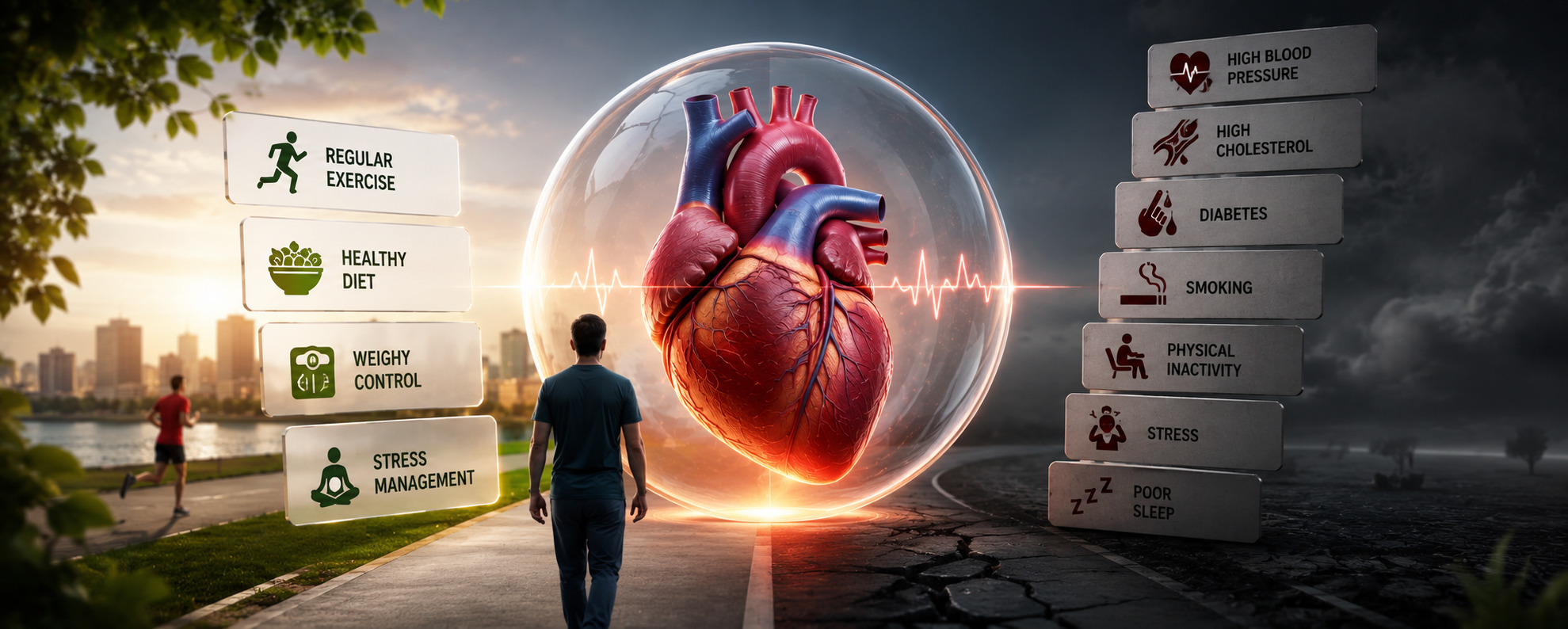
A heart attack can happen to anyone, but certain factors increase the risk of cardiovascular disease.
These include:
-
Diabetes.
-
High blood pressure.
-
High cholesterol.
-
Smoking or tobacco use.
-
A family history of early heart disease.
-
Excess body weight and physical inactivity.
-
Previously diagnosed heart or blood vessel disease.
-
Increasing age.
People with these risk factors should be particularly cautious about unexplained chest discomfort. However, the absence of known risk factors does not rule out a heart attack.
5. What Should You Do When Chest Pain Starts?
Taking the right steps quickly can make a significant difference during a cardiac emergency.
-
Call for emergency help. If a heart attack is possible, call 112 in India or your local ambulance service. Do not wait for the pain to become severe.
-
Stop physical activity. Sit down, remain as comfortable as possible and avoid exertion.
-
Do not drive yourself. An ambulance is preferable because your condition could worsen during the journey.
-
Follow the emergency operator's instructions. Ask before taking aspirin if you are unsure whether it is safe for you. Do not take it if you have an allergy or a known contraindication unless a medical professional directs you to do so.
-
Stay with the affected person. If someone becomes unresponsive and is not breathing normally, call emergency services, begin CPR if you can and use an AED if available, following the operator's instructions.
Do not delay emergency care to check your blood pressure, take an antacid or see whether the pain settles.
6. What Happens When You Reach the Hospital?
When a patient arrives with suspected heart-related chest pain, the medical team assesses symptoms and vital signs and decides which investigations are needed.
Depending on the situation, the evaluation may include:
-
Electrocardiogram (ECG): Records the heart's electrical activity and helps identify signs of a heart attack.
-
Blood tests: Troponin testing can detect injury to heart muscle. Repeat testing may be necessary.
-
Monitoring: Heart rate, blood pressure, oxygen levels and symptoms may be monitored.
-
Further investigations: Additional tests or procedures may be recommended according to the findings.
If a heart attack is confirmed, treatment depends on its type and severity. It may include medication or urgent procedures to restore blood flow to the heart.
Early assessment is important because treatment delays can increase heart muscle damage.
Chest Pain Should Never Be Ignored
Chest pain at night may be caused by acidity, muscle strain or other conditions, but it can also be a warning sign of a heart attack. The safest approach is to seek emergency care whenever a cardiac cause is possible.
Maruti Hospital, Trichy, can be contacted to enquire about its emergency and cardiac assessment services. In a suspected heart attack, call emergency services immediately rather than delaying care to contact the hospital.