
Anesthesiology
Anesthesiology: What Patients Should Know
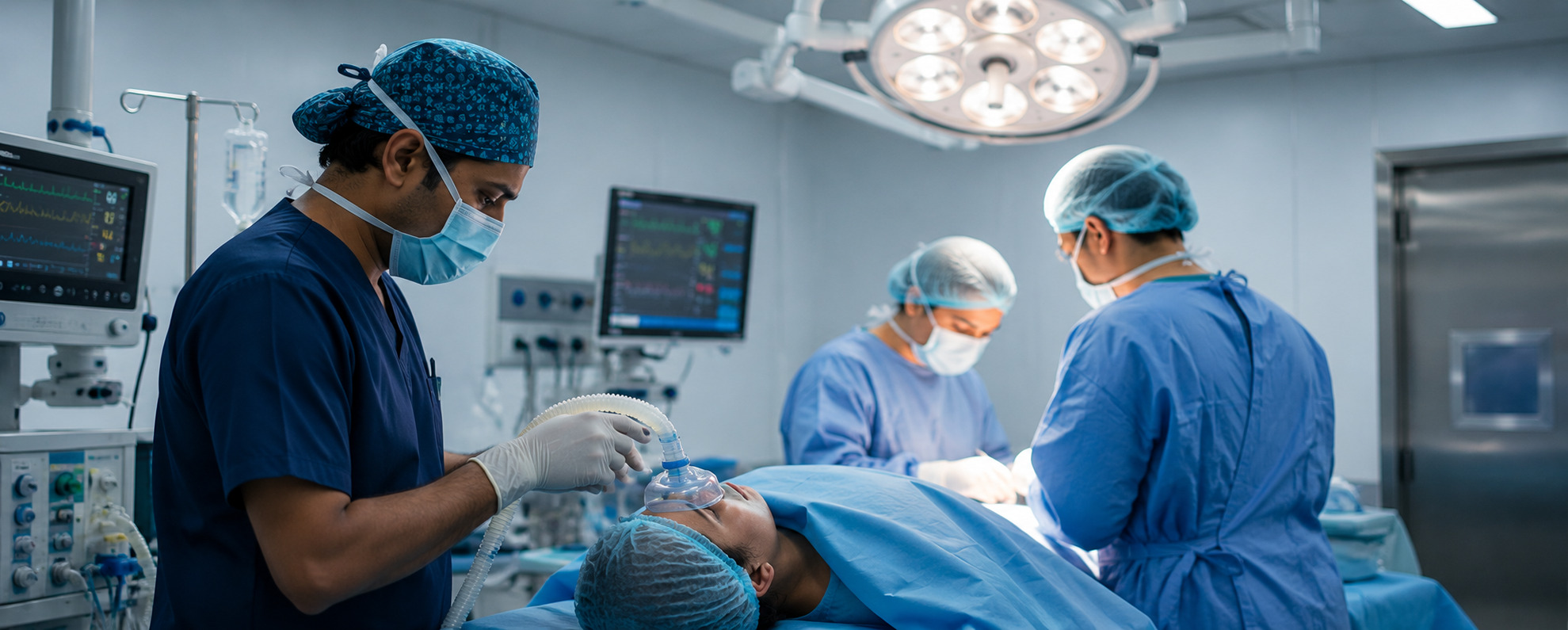
Surgery can make many patients feel nervous, especially when they are unsure about what will happen before and during the procedure. Anaesthesia is an important part of modern surgery and helps patients remain comfortable and pain-free during treatment.
Anesthesiology is not only about giving anaesthesia. Anaesthesiologists assess the patient's health, choose the appropriate type of anaesthesia, monitor vital signs during surgery and help manage pain and recovery afterward.
1. What Is Anaesthesia?
Anaesthesia is used to prevent pain and discomfort during medical procedures and surgery. Depending on the procedure and the patient's condition, different types of anaesthesia may be used.
The anaesthesiologist decides the most suitable approach after considering the patient's health, medical history and type of surgery.
2. Different Types of Anaesthesia
The type of anaesthesia depends on the procedure and the patient's individual needs.
Common types include:
- General anaesthesia – The patient is completely unconscious during the procedure.
- Regional anaesthesia – A larger area of the body is numbed while the patient may remain awake.
- Local anaesthesia – A small, specific area is numbed for a procedure.
- Sedation – Medicines help the patient relax and may make them sleepy during certain procedures.
Your anaesthesiologist will explain which option is appropriate for your surgery.
3. Why Pre-Anaesthesia Assessment Matters
Before surgery, the anaesthesiologist reviews your medical history and current health. This helps the medical team understand possible risks and plan anaesthesia safely.
The assessment may include:
- Previous surgeries and anaesthesia history
- Current medications
- Allergies
- Blood pressure and other vital signs
- Existing medical conditions
- Relevant blood tests or investigations
- Any previous reactions to anaesthesia
Be open with your doctor about your health and medicines so the team can plan your care properly.
4. What Happens During Surgery?
During surgery, the anaesthesia team closely monitors the patient's condition. Depending on the procedure, they may continuously monitor breathing, heart rate, blood pressure and oxygen levels.
The anaesthesiologist manages the anaesthesia throughout the procedure and can make adjustments when needed.
This monitoring helps the surgical and anaesthesia teams respond promptly to changes during surgery.
5. Managing Pain After Surgery
Pain management does not end when surgery is completed. Controlling pain can make recovery more comfortable and may help patients begin moving and returning to their normal activities as advised by their healthcare team.
Pain relief may include medicines or other approaches depending on the type of surgery and the patient's condition.
Tell your healthcare team if your pain is not adequately controlled so your treatment can be reviewed.
6. How Anaesthesiologists Support Patient Safety
Anaesthesiologists play an important role before, during and after surgery. Their responsibilities can include assessing the patient's health, planning anaesthesia, monitoring vital signs and managing pain.
Patients can also help by following pre-surgery instructions, sharing their complete medical history and informing the medical team about all medicines and allergies.